Skip to content
  • About Us
    • Company Profile
    • Our Team
    • Shareholders & Members
    • Opportunities
  • Services
    • Launch of Industry-Driven R&D Initiatives
    • Securing of Research Funding
    • Management of European R&D Projects
    • Management of European R&D Programmes
    • Studies on Strategic Topics in ICT
  • EuresTools®
    • EuresTools Reporter
    • EuresTools Tracker
    • EuresTools Workspace
    • EuresTools Website
    • EuresTools Conferencing
    • EuresTools Mailing List
    • EuresTools Pricing
  • Projects
    • Ongoing Projects
    • Past Projects
  • News
    • News
    • Events
    • Eurescom message
  • Contact
    • Travel information
    • Location
×
Linkedin Twitter Youtube
 

F4iTECH Revolution: Transforming Industry with Federated AI

Enhancing Data Privacy and Resource Management in Industry through Decentralized AI Solutions

                                                                                                                         
Dr. İsmail Uzun
INOSENS

The F4iTECH (Federated AI Platform for Industrial Technologies) project revolutionizes the manufacturing and airport industries by integrating Federated Learning (FL) and advanced AI technologies. Through a decentralized platform, F4iTECH enhances operational efficiency, ensures data privacy and optimizes resource management while addressing hidden challenges and reducing costs. With six pilot implementations showcasing transformative impacts, this innovative approach promises a more intelligent, resilient and sustainable future for industrial environments.

Building on its innovative approach, the F4iTECH project not only improves operational workflows but also tackles critical industry challenges such as data transmission, security and privacy. By leveraging FL-based AI, the platform enables real-time monitoring and decision-making without centralizing sensitive data, thereby enhancing compliance with regulatory frameworks and preserving data sovereignty. The integration of blockchain technology further secures data sharing through smart contracts, fostering collaboration among stakeholders while maintaining individual data ownership. The project’s success is evident in its six pilot implementations, which demonstrated tangible benefits like reduced operational inefficiencies, improved resource allocation, and enhanced resilience in both manufacturing and airport sectors. The Figure 1 shows the system approach and user interaction.

Achieved Results

The project successfully demonstrated significant benefits for the manufacturing and airport industries by integrating FL-based AI into production and operational workflows. A major achievement is the development of FLactionTM, a scalable and privacy-preserving federated learning platform that enables decentralized AI training across multiple edge devices with a user-friendly approach for data scientists. FLactionTM supports seamless model aggregation while ensuring data remains on local devices, addressing privacy concerns and regulatory requirements in industrial applications.

In the airport use case, the project delivered solutions that provide stakeholders with highly accurate, real time predictions of passenger flows for specific time windows. By leveraging advanced machine learning models, these insights enabled airports, airlines, and ground handling services to optimize resource allocation, staffing, and facility management, leading to smoother operations and improved passenger experiences. As a result, the project significantly reduced operational inefficiencies stemming from outdated or inaccurate forecasting methods, minimizing delays, overcrowding, and resource mismanagement. Furthermore, the integration of FL-based AI tackled critical industry challenges, particularly in data transmission, security, and privacy. By enabling decentralized data analysis, the solution eliminated the need for large-scale centralized data repositories, thereby enhancing compliance with stringent regulatory frameworks while also preserving data sovereignty for participating stakeholders. This approach not only ensured the confidentiality of sensitive passenger information but also fostered greater collaboration among stakeholders by allowing them to access valuable insights without compromising individual data ownership.

The results of the project are expected to have a lasting impact on different sectors, enhancing operational efficiency, reducing costs and improving stakeholder collaboration. The technologies developed may serve as a foundation for new product developments, standardization efforts, and further research. Additionally, the outcomes of the project, including methodologies and findings, have the potential for publication in major papers, fostering wider adoption and refinement of FL-based AI in industry applications.
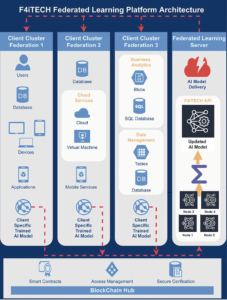

Figure 1: F4iTECH Federated Learning Platform Architecture

Impact

F4iTECH delivers significant benefits to the manufacturing, retail and airport industries by seamlessly integrating FL-based AI solutions into industrial processes. Utilizing distributed ledgers, the project securely records all relevant events and transactions within the Industry 4.0 ecosystem, enabling stakeholders and end consumers to intuitively verify data and establish smart contracts. Through systematic AI-driven predictive maintenance and machinery inspection, F4iTECH enhances equipment performance and reduces deterioration rates by 20%. By addressing and resolving hidden operational challenges, the project aims to cut invisible and internalized costs by 15%, contributing to more efficient and cost-effective industrial environments.

Conclusion

The F4iTECH project demonstrates how Federated Learning (FL) and advanced AI technologies can transform industrial sectors by enhancing operational efficiency, data privacy, and resource management. The project’s decentralized approach not only solves hidden challenges but also reduces costs and improves resilience. Future projects/products could build on F4iTECH’s methodologies to explore broader applications of FL-based AI in other industries, advancing data-driven innovation while maintaining stringent privacy standards.

For more information, visit:

https://www.celticnext.eu/project-f4itech/

CELTIC-NEXT Cluster

Spain strengthens its support to CELTIC-NEXT Programme

CDTI Centre for the Technology Development and the Innovation

                                                                                                                     
Juana Sanchéz
CELTIC-NEXT representative
Centre for the Technology Development and the Innovation (CDTI)

CDTI is a Business Public Entity under the Ministry of Science, Innovation and Universities that promotes innovation and technological development of Spanish companies. This is the entity that engages applications assistance and support R&D&I projects of Spanish companies at national and international level.

Therefore, the aim of CDTI is to contribute to the improvement of the technological level of Spanish companies through the development of the following activities:

› Technical and economic evaluation and awarding of public aid to innovation through subsidies or aid partly refundable R&D projects developed by companies.

› Management and promotion of the Spanish participation in international programmes for technology cooperation.

› Promotion of the international transfer of technology and business support services to technological innovation.

› Support for the establishment and consolidation of technology-based enterprises.

The bulk of its infrastructure is in Madrid but, in addition, CDTI offers to Spanish companies a strategic network of offices and representatives abroad (SOST OFFICES – Spain Office of Science and Technology), specifically in Belgium, Brazil, Chile, China, India, Japan, Korea, Mexico, Morocco and USA, to support them in their technology activities abroad.

News on Funding in Spain

CDTI launches its first INNOGLOBAL Call with FEDER (European Regional Development Fund) funds to reinforce the support in International Cooperation projects labelled from January to October 2025. Projects labelled under CELTIC-NEXT Spring Call 2025 are eligible for this Call. The beneficiaries are Spanish SMEs and mid-caps (up to 500 employees). Subcontracting is possible (not mandatory) up to 50% (70% in Health sector).

Spanish companies that belong to the eligible regions (Andalusia, Balearic Islands, Canary Islands, Castilla-La Mancha, Castilla y León, Valencian Community, Extremadura, Galicia, and Murcia) will be able to benefit with grants up to 80% of the budget.

The fundable activities are industrial research and/or experimental development. The eligible costs include personnel, instruments / material, subcontracting, general expenses, audit, travel and indirect costs. The minimum budget is €175,000 per company/project. The projects must start in 2025 and end by June 30, 2028, at the latest.

INNOGLOBAL opens from May till June 2025. An international funding request (EUREKA funding request in case of CELTIC-NEXT) will be required before applying.

For the rest of the non-eligible regions, CDTI offers a mix of loan and grants under the “Proyectos de Cooperación Tecnológica Internacional” funding line.

CELTIC Spanish successful project 5G-PERFECTA

5G-PERFECTA project is a good example of CELTIC-NEXT success, which aim has been to develop the technology to assure the 5G service quality based on data processing, that is, to guarantee that the quality of 5G networks is aligned with the expectations of bandwidth, latency and other key performance indicators. The project has contributed to the analysis of the 5G performance, the supervision of 5G networks, technologies for monitoring 5G networks, supervision of services and applications as well as 5G monitoring and measurement devices.

The project has developed a 5G performance compliance testing assurance solution that calculates KPIs (Key Performance Indicators) to show the real behaviour of 5G network and services. In addition, 5G-PERFECTA has developed automated processes, tools and mechanisms ensuring 5G service quality based on data processing and analytics approaches, under two main project scenarios and six use cases. The 5G Network Performance scenario provides the performance monitoring information and includes the testbed and measurement scope for 5G network performance analysis. The 5G Quality Assurance scenario provides the quality of service monitoring information, including the time sensitive networking mechanisms, the deployment of critical services with performance guarantees and the QoS observability for 5G. The following figure shows the project scenarios and use cases.

In addition, 5G-PERFECTA has developed a monitoring platform to deliver real measurements over the new generation mobile networks, tested on a real infrastructure. These performance indicators are helping to determine the suitability of new mobile infrastructure, including 5G to support next generation applications in mobility.

The project, led by Minsait, has benefited greatly from a well-balanced consortium, involving 5G operators, vendors and system integrators with small and medium-sized enterprises and academia from Spain, Sweden, Türkiye, Portugal and Poland.

The overall quality is perceived as high objectively measured by the amount of valuable contributions outside the project group (86) to the technology related to 5G-PERFECTA, in which the main innovations have been transferred: 44 papers in most relevant international journals symposiums and conferences (IEEE ISCC, IEEE INFOCOM, JCOMSS, IEEE Access, IEEE Transactions, Elsevier Measurement, etc.); 10 contributions to standardization bodies (ITU-T, VQEG and TM Forum); 10 PhD theses & Master theses; and 22 other exhibitions, dissemination events and activities.

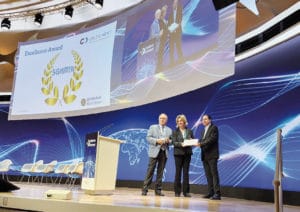
5G-PERFECTA project has received the CELTIC-NEXT Excellence Award for Services and Applications in 2024.


5G-PERFECTA wins the 2024 CELTIC-NEXT Excellence Award for Services and Applications.

Conclusion/Outlook

Spain has strongly supported CELTIC programme since it started in 2003. Telecommunications sector in Spain has an experienced and high added value community at national and international level.

CDTI strengthens its support to CELTIC programme with FEDER INNOGLOBAL Calls. Participants of CELTIC Spring Call 2025 can benefit from the FEDER INNGLOBAL Call 2025.

Further information

› CDTI website – https://www.cdti.es/en
› 5G-PERFECTA – http://www.5gperfecta.eu/

CELTIC-NEXT Cluster

Updates from the CELTIC Office

Focus on the CELTIC-NEXT Group of Experts

Xavier Priem
Director CELTIC Office

CELTIC-NEXT Group of Experts are central and instrumental to CELTIC’s success since its inception in 2003. They are at the core of CELTIC’s SRIA, Labelling Evaluations, Projects’ Evaluations, and Reputation. Without them, there would be no CELTIC, CELTIC-PLUS, or CELTIC-NEXT programmes! They are the CELTIC Experts!

Please allow us to offer more insight into their group in CELTIC-NEXT, including their tasks and the impact they have on your projects.

Purpose of the CELTIC-NEXT Group of Experts (GoE)

The Group of Experts (GoE) is responsible for assessing project proposals and participating in CELTIC project reviews. The GoE includes several sub-groups dedicated to specific technical areas. Core group members nominate individuals for the GoE, and an expert presides over each GoE meeting.

Composition of the GoE

The CELTIC-NEXT Core Group has established a permanent CELTIC-NEXT Group of Experts, which has delegated responsibilities and carries out specific tasks. The CELTIC-NEXT Core Group determines the working rules for the CELTIC-NEXT Group of Experts. The number of members and the composition of the CELTIC-NEXT Group of Experts are agreed upon by the CELTIC-NEXT Core Group. The CELTIC-NEXT Core Group may decide to replace a member in the CELTIC-NEXT Group of Experts if such a member becomes an Affiliate to another Participant with a representative in the CELTIC-NEXT Group of Experts, or to a company not resident in Europe, or if the criteria for their membership no longer apply, or to appoint additional members.

Labelling and recommending funding

After evaluation by the CELTIC-NEXT Group of Experts, the CELTIC-NEXT Core Group, in agreement with the involved Public Authorities (PAs), decides whether to grant a label, hereinafter called the “CELTIC-NEXT Label”, to the proposed Project. The CELTIC-NEXT Label confirms that the CELTIC-NEXT Organisation considers the proposed Project aligned with the Programme’s goals and that the applying organisations are eligible to participate as Participants in the Programme. It also confirms that the CELTIC-NEXT Organisation recommends the Project for public funding. The CELTIC-NEXT Project Proposal is the fundamental technical document submitted for funding applications to the respective PAs. The final decision on funding rests with the respective PAs.

Responsibilities of the GoE

The CELTIC-NEXT Group of Experts is a delegated responsibility by the CELTIC-NEXT Core Group for all decisions regarding the selection and monitoring of projects. Unless otherwise determined by the CELTIC-NEXT Core Group, the CELTIC-NEXT Group of Experts carries out the following tasks:

› Developing, updating, and implementing guidelines for the selection and ranking of technical projects.

› Making recommendations on giving the CELTIC-NEXT Label to project proposals and funding outlook by PAs.

› Making recommendations in case of major Project change requests.

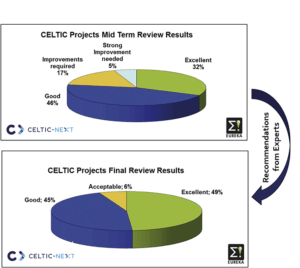
› Participating in mid-term reviews and giving recommendations to achieve better project outcomes (see Figure 1).

› Participating in final reviews, assessing project outcomes and results, and providing further recommendations on further exploitation and potential follow-up projects.

› Advising the CELTIC-NEXT Core Group on all relevant issues.


Figure 1: The positive effect of CELTIC-NEXT’s Experts’ recommendations at mid-term reviews

Further information

https://www.celticnext.eu/core-group-members/

CELTIC-NEXT Cluster

CELTIC-NEXT Services Portofolio

Xavier Priem
Director CELTIC Office

Operating CELTIC-NEXT as an EUREKA ECP Cluster means that the Office delivers an extensive portfolio of services to our ICT Community and to the EUREKA Network of National Funding and Innovation Agencies.

CELTIC-NEXT’s project calls:

The operation of a CELTIC NEXT call for bottom-up project proposals involves several specific actions:

The first action is to prepare for the call – this means preparing the support for the management of the calls and proposals in terms of Office human resources and system tools, from application preparation to evaluation and labelling. This includes:

  • Announcing the call on the Cluster’s Website: https://www.celticnext.eu/
  • Defining and opening the call portal: https://cluster-projects.eurestools.eu/index
  • Updating the Brokerage tool: https://www.celticnext.eu/brokerage-tool/

Once the systems are prepared, the online or physical events for the call must be orchestrated:

  • Launch event (online) – how and what to propose
  • Brokerage event (physical or hybrid) – presentation of public authorities funding, proposers pitches and consortia participants matchmaking

The office staff facilitates these events by offering pitching preparation support before the event and running Consortium Building Sessions in the days following the brokerage and matchmaking.

The office must also allocate a set of qualified experts for the technical assessment of proposals. Should a proposal be labelled, its participants can expect help from the office for the negotiation with the different Public Authorities and coordination of preparation activities up to the project launch.

CELTIC-NEXT’s Flagships

These involve a similar process to the Project construction, but it is initiated in response to the convergence of industry demands and national interests.

CELTIC-NEXT’s Promotion Events

CELTIC-NEXT showcase events are planned, wherever possible, to maximise the exposure and value to the projects and the authorities. These are usually planned in coordination with other major events to ensure good audiences and to control costs.

CELTIC-NEXT’s Support to Projects:

CELTIC-NEXT oversees the running projects to ensure they are working to plan and can deliver the expected results. This is achieved by frequent interactions between the project officer and the project leader and several formal reviews (mid-term, final) during the project life.

Typically, a CELTIC-NEXT project can expect:

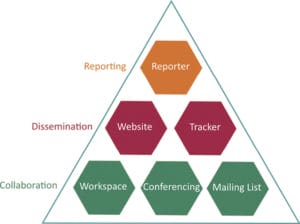
  • Comprehensive support for reporting, dissemination and collaborative working through the CELTIC-NEXT tool set
  • Assistance, coaching and monitoring support from the Project officer
  • Advice and guidance from experts and project officers during the project’s lifecycle (on demand) and in particular at review times (by default)
  • Simple processes for Project Change Request management, providing flexibility and resiliency to projects when plans need to change

CELTIC-NEXT provides also support for Dissemination activities to the project by inviting them to present at CELTIC-NEXT’s Events, nominating speakers and participations at international events like EUCNC, EGIS,… and highlighting the major achievement of the projects via CELTIC-NEXT’s media channels: LinkedIn, Newsletter, CELTIC News…


Figure 1: CELTIC-NEXT Tools Set

The number of calls per year and regularity

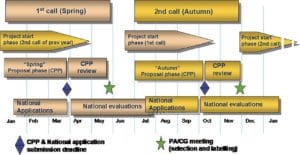
The CELTIC-NEXT community, in consultation with the national authorities have decided that their dynamic domain is best served by having two opportunities in the calendar year to present their project ideas for consideration. Accordingly, two bottom-up calls are organised each year, one in Spring (deadline end of April) and one in Autumn (deadline end of October). For these calls. proposers are free to define their project ambitions according to their ICT research interests and can submit them via our Online Project Portal.

In addition to bottom-up calls, CELTIC offers the opportunity to generate “Flagship” projects/calls at any time if there is an agreed interest. These special interest initiatives can emerge if the industry and PAs share a strong interest in collaborating on a Special Flagship initiative to address a key theme. The CELTIC office will facilitate the flagship by having an agreed submission date, which can differ from the above schedule by specific agreement with the involved PAs, and organising the review and project preparation process around this. These projects are usually in the range of several tens of million Euros for a 3–5-year duration.

Flagship projects are, by their nature, very successful because they are a balance of bottom-up and top-down approaches.

It is important to mention that CELTIC-NEXT operates exclusively thanks to the fees it collects from projects that got labelled and started. This is the only revenue source enabling all the aforementioned services. CELTIC-NEXT Office neither receives public funding from EUREKA Countries nor private money from its Core Group.


Figure 2: CELTIC-NEXT Calls Timeline

CELTIC-NEXT Cluster

From historical flagships to flagships programme

What are CELTIC-NEXT Flagships?

Xavier Priem
Director CELTIC Office

CELTIC historic flagship programme started with 100-Gigabit Ethernet Transport Technologies (100 GET), Safe and Secure European Routing (SASER), Secure Networking for a data center cloud in Europe(SENDATE) projects, and Accellerating digital transformation in Europe by Intelligent NETwork automation (AI-NET) flagship. The ramping-up Sustainable Technologies for Advanced Resilient and Energy-Efficient Networks (SUSTAINET) flagship is the successor of those highly successful flagship projects. This is a clear success track record. And they also create highly collaborative communities, as you can take from the AI-NET song ! Those flagship projects were and are still possible because Industry and National Funding Innovation Agencies jointly recognise(d) the absence of adequate funding support in addressing a particular area of the CELTIC-NEXT’s ICT Strategic and Innovation Road Map (SRIA).


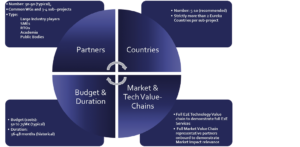
Figure 1: Typical Flagship Characteristics

Preparing and launching a Flagship project requires a concerted approach between a core group of large industry players and a core group of public funding agencies. This small core team delimits the relevant R&D&I area of the flagship, the overall approximative budget envelope to be targeted, and the agenda for developing the project proposal. This is the first preparation phase, consisting of a top-down approach in terms of thematic area and budget envelope. Then, once this is designed, the core industrial consortium will open the flagship proposal to more participants, enabling a considerable number of industry players, SMEs, RTOs, and academics to join the consortium. This is the phase of bottom-up growth within the agreed SRIA area. This is also potentially a growth in terms of budget needs.

Due to the accrued number of participants (up to 100) and subtopics, the Flagship project is then organised around three to four subprojects and an umbrella project that contains all common cross-subproject topics. Another form of maintaining coherence for the horizontal topics is to have a common Work Package with joint tasks across the subprojects (also called vertical projects in the flagship jargon).

Once the horizontal and vertical project proposals are ready, they are submitted to CELTIC-NEXT and the Public Authorities like regular project proposals made in the two-yearly bottom-up calls. They must fulfil the same rules, evaluation criteria, and KPIs.

Flagships are a unique selling point of CELTIC-NEXT in the Eureka Cluster Programme (ECP). There is a strong demand from National Funding & Innovation Agencies to join either in the current topical area of our flagships or in other areas of our SRIA. We aim to reproduce that success in several of them, clearing streams of flagships.

Preparing flagships demands a high intensity of preparation work as they are like mini-programmes. This means that a strategy needs to be put in place to develop them in time and quality. As they target kind of European “funding” market failures, they need also to be well explained to gather the EUREKA national funding agencies support.

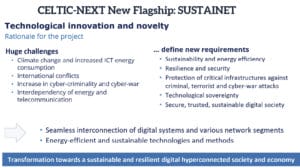
Recall of SUSTAINET high-level description: “In the midst of global crises and geopolitical challenges, Europe is charting its course towards a digital, sustainable future. However, with its share of the global ICT market declining, urgent actions are required to ensure technological sovereignty. This project addresses this multifaceted challenge by focusing on network resilience, energy efficiency, sustainability, high-performing end-to-end networks, and network security.

Achieving seamless interconnection of digital systems, essential for future high-performance communication networks, demands research in ICT hardware and control software. The transition towards a “Digital Society” necessitates increased dependence on ICT for power supply control, emphasising the need for resilient, scalable networking technologies combined with the support of new services such as cognitive and complete context awareness.

Network resilience is paramount in such interconnected networking for critical infrastructures and requires new concepts to ensure communication continuity during errors or disasters. Such networking will also call for secure networks with robust cybersecurity measures to combat evolving threats.

Furthermore, network sustainability is vital for realising a climate-neutral future. Telecommunications networks must prioritise connectivity and serve as platforms for a sustainable society. Operators must adapt to fluctuating renewable energy availability, transitioning from consumers to prosumers in the energy market.

Collaborative R&D efforts are imperative to achieve these objectives and regain technological sovereignty. Government support and industry initiatives must converge to drive innovation in key technologies, fostering industrial cooperation and joint R&D initiatives.

This project proposes a holistic approach, integrating research in frictionless network performance, resilience, security, and sustainability to propel Europe towards a sustainable, technologically sovereign future.”

How does it translate into a tangible project?

Here are some KPIs for SUSTAINET :

  • 8 Countries at labelling time, over 10 now, with some still joining during the ramp-up phase
  • Over 90 participants of all types, Telcos, Large Industry, SMEs, RTOs, Academia
  • Over 70 M€ budget,
  • Over 500 FTEs, split into 3 vertical projects and one umbrella set of horizontal tasks
  • 36 months duration (indicative depending on funding decisions timing)
  • High expected impact and visibility in standards & markets


Figure 2: CELTIC-NEXT New Flagship: SUSTAINET

Further information

  • SUSTAINET flagship information: https://www.celticnext.eu/project-sustainet/
  • AI-NET flagship song video: https://youtu.be/SCz-BA9ja5E?si=AolQIcYkJ9EgxLLf
CELTIC-NEXT Cluster

CyberWi – Cyber-security in the Wireless Industrial use case

Harold Linke
HITEC Luxembourg S.A.


Ludwig Seitz
Combitech (until 2019 RISE)


Joni Jämsä
CENTRIA University of Applied Sciences


Andreas Ohlsson
Applio Tech AB

While the fusion of cloud, mobile and wireless technologies is one of the biggest business enablers, it is also seen as a major cyber-security challenge. The lack of security technologies that function across such different infrastructures hinders the adoption
of these technologies on the global market, thus limiting the growth potential in this ­sector.

The three-year CELTIC project CyberWi (2016-2018) created ­results on security solutions ­integrating seamlessly over different infrastructures, like Cloud Computing, IoT networks and Embedded Systems, and showed a way towards deployment of commercially viable secure systems that can be implemented in Industrial Internet applications.

CyberWi was a joint undertaking by 13 partners from 3 European countries: Luxembourg, Finland and Sweden.

Approach

In order to ensure that the obtained results work in a production environment, demonstrators and test beds were implemented and publicly presented.

The use cases covered the following topics:
› Building automation, to protect the operation of different sensors and actuators deployed in a building
› Home automation, to protect heterogeneous consumer devices functioning as part of an automated home
› Logistics, to protect the information collected when tracking transports and goods
› Industrial systems, to secure a supervisory control and data acquisition (SCADA) system on an oil platform
› Traffic applications, to ensure the safe operation of a traffic signal pre-emption system for emergency services
› Weather services, to ensure road weather station operation as a service hotspot for multiple vehicles

In addition, the development of the OSCORE IETF standard opened the door to progress other lightweight security enablers in areas such as authorization and access control, group communication and authentication. The development of security standards has raised industry interest and led to new collaborations.

Achieved results

CyberWi developed new architectures and standards to improve the security in the above-mentioned use cases. The results have a high commercial impact.

These are some examples:
› The SME Applio (former Q2d Solutions) is now in a go-to-market position with a new software product family developed based on CyberWI results. There are several different commercial IoT solutions about to be implemented. A free and simple IoT service called “Applio Free” has been launched and is in use.
› Road Weather Station – By developing open interfaces the project has conducted road weather stations communication measurements and improved the cybersecurity of wireless connections between the road weather station and the server.
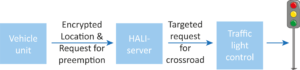
› Hali 2.0 – Traffic Light pre-emption system for emergency vehicles helps municipalities, fire/police departments and hospitals to reach their target faster and safer. Hali is implemented in several Finnish towns with over 700 users.

Further results in standardization and research:
› IETF standards (OSCORE and ACE) for object security and access control in constrained environments (e.g. sensor networks). These standards are integrated into several products. RISE has gained a foothold in the international standardization community at IETF and plans to exploit this in future research projects.
› Open source reference implementations of our proposed standards contributed to commercial open-source libraries implementing the OMA Lightweight M2M standard,
› CyberWi led to the implementation of the Cyber Security Laboratory named SecuLab at the Finnish research institute CENTRIA. SecuLab examines, tests and develops the security of industrial Internet and wireless systems. SecuLab provides tools for system security testing and expertise in information security management to SMEs of the region. It provides expert consulting, whether the company needs an assessment of the information security situation or support for solutions that can be used in company operations.


Hali 2.0 overview

Conclusion

The CyberWi project successfully contributed to different R&D topics in the cybersecurity area. A main result is the establishment of a security standard for IoT devices (OSCORE), which is the basis for new additional standards (e.g. Group OSCORE etc). The results of CyberWi are part of several commercial applications and laid the foundation of new services and products.

› Further information

CyberWI project on CELTIC-NEXT website – https://www.celticnext.eu/project-cyberwi/

CELTIC-NEXT CyberWi

Eureka − A major tool to promote research and innovation

Interview with Eureka chairman Miguel Bello Mora

On 1st July, Portugal took over the Eureka chairmanship for one year – already for the third time in the 35-year history of Eureka. The motto of the Portuguese Chairmanship is “Innovation for a greener, digital and healthier planet through a collaborative approach”. CELTIC News editor Milon Gupta asked Eureka chairman Miguel Bello Mora, CEO of the Atlantic International Research Centre in Portugal, about priorities and progress of Eureka after the first quarter of the Portuguese Eureka term.

What are the main priorities of the ­Portuguese Eureka chairmanship?

Miguel Bello Mora: We have five main priorities for the Portuguese Eureka chairmanship:

First, to increase the global outreach of the Eureka Network by promoting collaboration with international organizations with an important innovation component, like the European Space Agency, and via the organization of a series of international events.

Second, to enhance new forms of cooperation for effective RDI programmes by strengthening the relation with the European Union within the new Horizon Europe framework programme for research, development, and innovation.

Third, strengthening the Eureka Network’s positioning by reinforcing the mechanisms for the generation of projects, contributing to the revitalization of the ­Eureka Clusters Programme.

Fourth, adding value to the Eureka label, with the organisation of Eureka’s Global ­Innovation Summit 2022 and the Eureka Ministerial Meeting in Portugal in June 2022.

And fifth, to continue the necessary restructuring of the Eureka Secretariat and pursue a healthy financial model for the ­Eureka Secretariat.

Which role do you see for the Eureka Clusters Programme in the context of the Portuguese priorities?

Miguel Bello Mora: The Portuguese chairmanship is contributing to the revitalization of the Eureka Clusters Programme by implementing the new governance model, ensuring greater compromise from public authorities on the funding of projects, intensifying the participation of industrial key players at the board of Clusters’ governance structures and promoting collaboration and cross-fertilisation between Clusters through the organisation of joint calls.

A joint thematic call is promoted with a topic focused on Space-Ocean-Earth Observation Systems and Space related technologies which would include the promotion of projects linked with the Green Deal in areas like Earth Observation from Space and its combination with Artificial Intelligence.

How would you describe the progress of Eureka in the first months of the Portuguese chairmanship?

Miguel Bello Mora: During the first months of the Eureka Portuguese chairmanship some of the strategic priorities have been implemented, like the collaboration with the European Space Agency, where a Memorandum of Understanding is in preparation, and the first of the international events on “Eureka meets the Atlantic through Space-Ocean-Earth collaborative innovations”. In addition, the final proposal for the Eurostars 3 programme, one of the flagship projects of Eureka, has been completed in August.

What is your vision for Eureka and its programmes beyond the Portuguese chairmanship?

Miguel Bello Mora: Our vision beyond the ­Portuguese Chairmanship is to have Eureka as a major tool to promote research and innovation, strengthening the bottom-up, open and flexible nature of the network by building on the work done by the previous Chairmanships while following the strategic priorities of the recently approved Eureka Strategic Roadmap for 2021-2027.

Eureka shall promote the dynamism of the economy and European innovation through the recovery period from the crisis associated with the COVID-19 pandemic and should stimulate new opportunities for the development of new products and services in global markets, as well as new international collaborations towards citizens wellbeing and healthy living.

CELTIC-NEXT Cluster

How Portugal supports CELTIC-NEXT projects

The Portuguese National Innovation Agency

Rita Silva
ANI – Agência Nacional de Inovação, SA

ANI – Agência Nacional de Inovação, SA, is the National Innovation Agency of Portugal. It is owned in equal shares by IAPMEI – the Portuguese Agency for Competitiveness and Innovation under the Ministry of the Economy and Digital Transition – and FCT – the Portuguese Foundation for Science and Technology under the Ministry of Science, Technology and Higher Education. ANI supports technological and business innovation in Portugal, contributing to the consolidation of the national innovation system and to strengthening the competitiveness of the national economy in global markets.

In 2020, Portugal reached a 1,6% R&D share of national GDP, an all-time high. 57% of R&D funding comes from companies’ investments. There are around 4,300 R&D-performing companies investing an average of 420,000 euro per year to develop new technologies.

Portugal’s innovation strategy

Along this path, an ambitious national strategy for technological and entrepreneurial innovation for the period 2018-2030 has been defined. It includes main targets such as achieving a global investment in R&D of 3% of GDP by 2030, with a relative share of two thirds coming from private expenditure, as well as becoming a European leader in digital skills by 2030. From 2021 to 2027, Portugal aims to double the Portuguese participation in European Union funding programmes, and to attract around 2 billion euros for R&I, as well as tripling the number of students in mobility in higher education, compared to 2014-2020.

ANI has a central role in the Portuguese innovation ecosystem and contributes to the achievement of the major national innovation goals. The Agency manages financial and ­fiscal incentives programmes to promote private investment in R&D and to foster collaborative R&D between companies and R&D institutions for an effective transfer of knowledge to the market. ANI also promotes the internationalisation of Portuguese innovative companies and R&D institutions through supporting their participation in the Horizon Europe R&DI Framework Programme as well as other international networks for R&D cooperation and business internationalisation such as the Enterprise Europe Network and the Eureka Network.

Portugal has now for the third time since becoming one of the 18 founding member states of the Eureka Network in 1985 taken over the Chairmanship of Eureka from July 2021 until June 2022. ANI is part of the Chairmanship Team, hosting the National Eureka office.

FACTS about Portuguese participation in CELTIC- NEXT projects

The EUREKA Clusters prove to be an excellent channel for the internationalisation of Portuguese companies, academia, RTOs and research centres enabling them to access to global value chains, to new knowledge and to partner with numerous countries. In fact, the opportunity offered by the Eureka Network and the Clusters projects to collaborate beyond Europe on a truly global stage is one of the major benefits identified by companies.

CELTIC-NEXT is the Eureka Cluster with
the largest Portuguese participation. This is related to the fact that the technological area with the largest Portuguese participation in EUREKA projects is electronics, IT and telecoms technology (62 %).

Between 2008-2020, 31 CELTIC projects with Portuguese participation were funded. Since 2017, with the introduction of a grant-based funding instrument relying on European Structural and Investment Funds (ESIF) to support Eureka and Eurostars projects, the funding of Eureka Clusters projects has become more agile and stable in Portugal. This has raised interest and created renewed dynamics among stakeholders to apply and participate.

Under the new instrument “Projetos de I&D Industrial à Escala Europeia”, 11 new CELTIC projects were recently funded, reflecting a total investment from the Portuguese entities involved of 7 million euro and corresponding to approximately 4.5 million euro of public funding.

The Portuguese entities most represented in CELTIC-NEXT projects include companies such as UBIWHERE Lda, CELFINET – CONSULTORIA EM TELECOMUNICAÇÕES, S.A., Proef Eurico Ferreira S.A., GLINTT Healthcare Solutions S.A., Wavecom – Soluções Radio S.A., and renowned research centres like Instituto de Telecomunicações, Instituto Superior de Engenharia do Porto (ISEP), or Instituto Politécnico de Castelo Branco.

CELTIC-NEXT projects with Portuguese participation focus on several ICT areas such as energy efficiency and quality of service/experience in mobile telecommunications networks, smart operations optimization and performance monitoring in mobile telecommunications networks, healthcare, smart cities, and internet of the future. Their main partner countries are Spain, France, Finland, Sweden, Turkey, Canada, Korea, and Israel.

As an added-value of participating in
CELTIC-NEXT projects, Portuguese entities report an overall increase in competitiveness levels through the possibility to access new markets, to improve their positioning in global value chains, an increase in exports, improvement in R&DI capacities and gain of new expertise through the possibility to employ highly qualified human resources and lastly, the enlargement of the company’s product portfolio and cross-selling of solutions.


ANI headquarters in Porto

› Further information
ANI website – https://www.ani.pt/en

CELTIC-NEXT Cluster

What living in interesting times means for CELTIC-NEXT

David Kennedy
CELTIC-NEXT Chair Person

In common folklore it is often unclear, if the wish “may you live in interesting times” is intended as a curse or a blessing. Either way, it can mean that you experience a lot of change and you need to remain active and responsive to the changes to ensure that you progress positively. Well, for the CELTIC-NEXT community the recent times have been very interesting with lots of changes impacting every aspect of our domain.


© AdobeStock

CELTIC-NEXT in the new post-Covid world

One interesting aspect of the way we all restructured our lives and work in the “lock-down” period is that we have rapidly learned to do many things remotely. This creates a very significant shift from travelling and meeting to using communications to stay in contact via webinars and videoconferencing. In fact, we have learned that many meetings are no longer necessary, if the participants have reliable communications of sufficient capacities. The issue here is that we have proved the concept for remote working – even if we were forced into it without any preparation – to the extent where it is unlikely that we will ever justify the amount of travel and meetings we had in 2019 going forward.

The impact of this on business processes is that the integration of high-speed high-capacity communications infrastructures into both the production and use of many advanced products is now assured and the communications technologies must deliver.

A good example will be the advanced traffic management on the roads and the introduction of autonomous cars. In this context all road users need to be equally informed about changing circumstances on the road and, more specifically, any safety risks. And once you start supplying this information, the supply must be continuous and reliable and economical. Despite the increasing requirement for pervasive communications, we are also under pressure to ensure the sustainability of communications by lowering the power consumption of all elements of the network.

In summary, the new outlook for the ICT domain is that we have to provide incredible speed and reliability for the connections for low cost with a very low environmental profile. Clearly there are many challenges in this.

CELTIC-NEXT and the New Eureka ­Clusters Programme

In the past two years the CELTIC-NEXT Cluster has worked with the other Eureka Clusters to help evolve the Eureka Clusters Programme (ECP). The idea is to revitalise the instrument, as an effective and efficient international research collaboration tool and to stimulate more involvement and investments.

The approach was to consider the processes and see where the programme could be more responsive to the ever-changing set of research and innovation requirements and priorities facing industrial and national interests. A key result is the introduction of joint calls operated collectively by the relevant Clusters while presenting a consistent and seamless interface to the project proposers and the national authorities. To demonstrate the new flexibility of the Clusters, the first joint call – the AI call 2020 – was launched and run successfully. The lessons learned included greater collaboration between Clusters and more analysis of the delays and interactions in the project decisions as the Clusters combined resources. The next step in this development we hope to see now is a reduction in the overall time to decision for Eureka projects and that this experience can also be used to improve the throughput of the regular Cluster “bottom-up” calls.

The new flexibility has increased the operational costs for the Clusters, but it is anticipated that it should stimulate more national investment in the new joint topics which will increase the overall volume of the programme. This increase in research project volume should compensate for the increased costs to keep the ECP instrument efficient and practical. We in CELTIC-NEXT have heavily invested in the new structure and we are now looking forward to see how the programme volumes evolve.

Conclusion

From the CELTIC-NEXT perspective we remain committed to embracing the changes and using them to help us better serve our community. The origin of the CELTIC community was the need to bring the digital communications benefits to the world. This has evolved to the point where the vertical communities are now informed and active regarding the benefits advanced communications can bring to their domains that they are now becoming drivers of the changes in the communications infrastructures and services too.

We do live in interesting times, and CELTIC-NEXT remains committed to helping all parts of industry and society to embrace and benefit from advanced communications.

The Eureka Clusters Programme

A New Era of Joint Thematic Calls

Jari Lehmusvuori
Nokia, CELTIC-NEXT Vice-Chair

Many steps have been taken and many milestones reached in 2021 both in CELTIC-NEXT and jointly with the other Eureka Clusters. We are experiencing an inspiring time of both facilitating the well-known industry innovation projects, as well as planning the new Eureka Clusters Programme (ECP) jointly with the other innovation Clusters in Eureka. With the launch of the ECP in the 2nd half of 2021 a new era with both the bottom-up Calls and thematic Calls will be available as opportunities for the innovations on the next generation communications in the CELTIC-NEXT community. Therefore, it is worthwhile here to summarize the baselines as an early introduction.

The traditional CELTIC bottom-up calls in spring and autumn are not affected by the additional ECP processes. The Joint Thematic Calls under the ECP’s Multi-Annual Programme (MAP) are additional commitments from both Public Authorities and Clusters to work together on common and cross-Cluster topics. The current CELTIC-NEXT projects are performing well, and as a highlight, the new CELTIC-NEXT Flagship project AI-NET is now also up and running.

Thematic joint project calls by Eureka Clusters Programme

The planning and organization of the Eureka Clusters Programme (ECP) started in October 2020. It has continued under the lead of Eu­reka and with a strong contribution by the CELTIC Office. While not yet approved, the first call for projects may be introduced in late 2021 with a closing date in spring 2022. The ECP Calls follow the concept of joint calls of mul­tiple Clusters, which enables widening the scope and competences available to a project. Each of the Calls have a theme agreed between the industry and the funding Public ­Authorities of the countries. The ECP provides project opportunities to both large companies and small and medium-sized companies, and the public authorities funding according to their national policies. Each of the supporting countries assign an indicative and viable budget outlook for a thematic Call which, among the other new features, will provide improved predictability on funding. In addition, the schedule of funding decisions from idea to start is the goal. All these main features of the thematic joint calls of ECP make them a new innovations project instrument to the CELTIC-NEXT industry community, which is complementary to the single-Cluster bottom-up calls.

CELTIC-NEXT in the ECP

The Multi Annual Plan (MAP) sets out the commitments of the public authorities and the Eureka Clusters. They jointly determine which RDI communities can be integrated in the MAP as Eureka Clusters, what the expected funding level will be, and what potential thematic areas for collaboration are. Each RDI community wishing to join the ECP applies for a period of 4 years to operate as a EUREKA Cluster. CELTIC-NEXT as such a community has submitted the application to Eureka as of 1st July 2021. Being a part of this ECP MAP approval process it has enabled us to update our CELTIC-NEXT Roadmap together with the MAP. As a Eureka Cluster the communications industry community of CELTIC-NEXT will have the opportunity for the future thematic joint calls that set out the challenges of sustainability and autonomous mobility as examples. The themes and a description of the calls to be launched in the coming year, including the budget commitments of the participating Eureka countries are given on the Annual Operational Plan of ECP.

Eureka Clusters AI Call 2021

As a preliminary step towards the joint calls, the Eureka Clusters AI Call 2021, to which CELTIC-NEXT substantially contributed, was organised with a submission deadline of 28 June 2021. This is an opportunity for the companies in the communications area to set up cross-innovation projects with a large network of organizations in the area of Artificial Intelligence with flexibility in the topics.

CELTIC-NEXT Autumn 2021 Call

CELTIC-NEXT is continuing as the communications and applications Cluster in Eureka. The Celtic Autumn Call 2021 will be launched with the submission date in November 2021. It is a bottom-up Call with flexibility in the scope for the projects. Proposals for new innovations projects are welcomed. A brokerage event is foreseen for pitching of project ideas and partnering.

CELTIC-NEXT Flagship project AI-NET

The new industry-led CELTIC-NEXT Flagship project AI-NET (Accelerating Digital Transformation in Europe by Intelligent NETwork Automation) started in mid-2020. It is targeting automated resilient networks for economy and society. The project brings together partners from seven European countries and three fields of technology: Communications Networks and Technologies for 5G and Beyond, Near-Use Data Centers, and Artificial Intelligence (AI). Novel solutions for network automation are expected in the forthcoming two years.

Change in the CELTIC-NEXT ­Management Team

Xavier Priem has started as the new CELTIC ­Office Director. He has a strong track-record, both in innovation management and business development, thus providing an excellent background for industry innovations. Please join me in welcoming Xavier to the lead in the times of new challenges. He took over from Peter Herrmann, who retired in spring after having dedicated 15 years to CELTIC. As the CELTIC Office Director since 2014 he relentlessly drove the Cluster for the benefit of the European telecommunications industry innovations. Please join me in thanking Peter.

  • Previous
  • 1
  • 2
  • 3
  • ...
  • 7
  • Next

5Copyright © 2025 by Eurescom

 
  • Corporate Information
  • Data Protection Declaration
  • Terms of Use
  • Corporate Information
  • Data Protection Declaration
  • Terms of Use