Skip to content
  • About Us
    • Company Profile
    • Our Team
    • Shareholders & Members
    • Opportunities
  • Services
    • Launch of Industry-Driven R&D Initiatives
    • Securing of Research Funding
    • Management of European R&D Projects
    • Management of European R&D Programmes
    • Studies on Strategic Topics in ICT
  • EuresTools®
    • EuresTools Reporter
    • EuresTools Tracker
    • EuresTools Workspace
    • EuresTools Website
    • EuresTools Conferencing
    • EuresTools Mailing List
    • EuresTools Pricing
  • Projects
    • Ongoing Projects
    • Past Projects
  • News
    • News
    • Events
    • Eurescom message
  • Contact
    • Travel information
    • Location
×
Linkedin Youtube
 

5G driven efficiency boost for manufacturing – IEEE 5G World Forum in Dresden

IEEE 5G World Forum Dresden


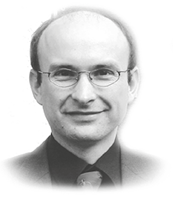
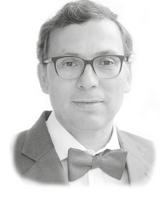
Uwe Herzog                                                                   Milon Gupta
Eurescom                                                                       Eurescom
herzog(at)eurescom.eu                                              gupta(at)eurescom.eu

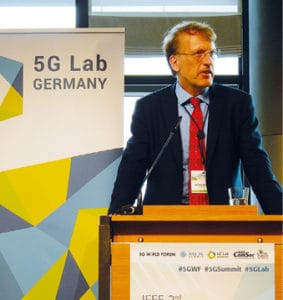
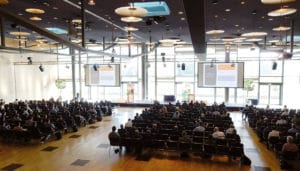
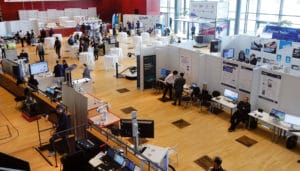
The second edition of the IEEE 5G World ­Forum, the flagship event of the IEEE Future Networks Initiative, took place in Dresden, Germany from 29th September to 2nd October. The event was held in conjunction with the 4th IEEE 5G Summit and consisted of a conference, several workshops, and an exhibition. More than 1,000 international participants came to the International Congress Center Dresden to discuss the future of 5G.


Prof. Henning Schulzrinne

Cautionary messages at the opening

In the opening plenary, Prof. Henning Schulzrinne from Columbia University seemed rather sceptical about the economic success of 5G – at least as far as telcos and equipment manufacturers are concerned. He rather expects that 5G could lead to industry consolidation.

Dr. Thyaga Nandagopal from the US National Science Foundation took a similarly sceptical line. He tried to calm down the hype about 5G that some say might change everyone’s life. Dr. Nandagopal warned not to expect too much. That said, he was confident that there would be many interesting new applications enabled by higher bandwidth, lower latency and higher device density.

Dr. Michael Bolle, Chief Digital Officer and Chief Technology Officer at Bosch, was more upbeat about 5G. In the area of mobility, he considers 5G to be an answer to the requirements of V2X, e. g. for platooning or tele-operated driving.

In the manufacturing domain, Dr. Bolle sees the high potential of 5G for improving efficiency and cost of production – especially in Bosch’s own 180 plants worldwide. This will be needed to respond to the trend of mass customisation, which requires high flexibility and wireless connectivity as well as flexible device positioning with wireless charging. Especially for safety-critical functions he considers 5G to be better than WiFi.

In terms of 5G deployment, Bosch clearly favours closed and private networks connected to the Bosch factories, either autonomously or provided by telcos and device manufacturers. Dr. Bolle stressed that for Bosch, security and avoiding attacks is crucial.


Dr. Michael Bolle

More insights from the conference

In the Worldwide 5G Industry Fora Session, Heinz Bernold from Boston Consulting Group highlighted the operators’ increased network costs for 5G; he estimated a 60{b28ae05319d94bff0b4d65c5a9f4524dd588360f05c61ef440e1608e0a1c4144} increase.

In the plenary session on the second day, Dr. Hannes Ametsreiter from Vodafone Germany highlighted the importance of 5G’s low latency for applications like controlling a drone or remotely controlling building cranes and other equipment.

As an application example for factories he mentioned a recently completed car production plant in Aachen, which is 5G-enabled. This gives high flexibility to the production process, for example by providing almost real-time detailed information on the status of the production process. This information can be stored in a blockchain and monitored any time.

Peter Riedel, President and Chief Operating Officer of Rohde & Schwarz, emphasised that 5G can help in automation and save infrastructure costs. He said Rohde & Schwarz has seven-digit infrastructure costs every year. Apart from cost-savings, he stressed the importance of security, reliability and low latency as well as high relia­bility enabled by 5G.

Further information: IEEE 5G World Forum website – https://ieee-wf-5g.org

From 5G experiments to business validation

5G-Trials workshop at IEEE 5G World Forum


Uwe Herzog                                                                   Tao Chen
Eurescom                                                                       VTT
herzog(at)eurescom.eu                                               tao.chen(at)vtt.fi

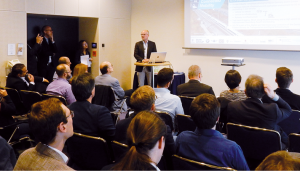
On 1st October 2019, the “2nd Workshop on 5G-Trials – From 5G Experiments to Business Validation” took place in Dresden. It was part of the IEEE 5G World Forum in Dresden from 30th September to 2nd October 2019. The workshop was jointly organised by the 5G PPP projects 5G-DRIVE, 5G EVE, 5G-VINNI, 5GENESIS, and SLICENET.


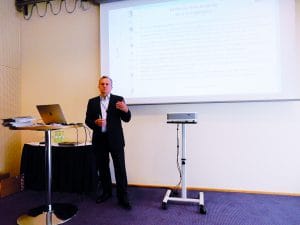
Keynote speaker Michael Meyer from Ericsson

At the current stage of 5G evolution, the design phase has been successfully completed, the first set of standards has been released, and the commercial rollout has started. In this context, a large number of 5G trials are currently being conducted around the globe. According to IDATE DigiWorld statistics from June 2019, 153 5G trials are currently taking place in the 28 EU Member States. The 5G-Trials workshop provided a forum for industry and academics to disseminate new findings on 5G trials and new business development.

The workshop was sponsored by five 5G PPP projects. They included, among others, the three projects that are currently building experimental 5G infrastructures, which will be offered for experimentation to vertical industries for testing innovative 5G applications. From that perspective the organisers are well connected in the 5G community and were successful in distributing the call for papers for this workshop. With 14 paper submissions received, this workshop was ranked number 3 among all workshops. Due to the high quality of papers, 9 out of the 14 papers were accepted. The paper presentations together with two invited keynote speeches and two panel discussions filled a long and interesting day for the about 40-50 workshop attendees.

5G trials in Europe

In the welcome talk, an overview was given of 5G trialling activities in Europe and showed some statistics e.g. in terms of trials per country, spectrum usage, the participation by vertical sectors in 5G trialling activities and the size of larger trials and first 5G roll-outs around the globe. Media and Entertainment is the sector in which most 5G trials are currently performed, followed by Transport and Automotive.

In the first keynote speech, Michael Meyer from Ericsson gave his view on “Experiencing 5G in early trials”. He said that 5G is being propelled by three areas – massive machine-type communications, critical machine-type communications, and Enhanced Mobile Broadband, where the use cases will be diverse, ranging from Haptic Healthcare to driverless buses and fibre-equivalent residential access. Ericsson’s 5G radio and core testbeds have evolved to include an increasing number of 5G features. Trials are being performed in both below 6 GHz but also in mm-wave bands. In the speaker’s view, 5G industry trials are important to explore the digital transformation of different industries, and to demonstrate the value of 5G, which he explained by using examples from the mining industry, connected mobility, and connected adaptive production.

In the first paper session, three papers with results related to the 5G PPP trial infrastructure projects were presented. These projects build 5G infrastructures for the large-scale trials carried out by other 5G PPP projects. The first paper, presented by Giada Landi from Nextworks, introduced the experimental architecture developed in 5G EVE, and explained the experimental workflow to be used by other projects. The next paper, presented by Anastasius Gavras from Eurescom, introduced the trial infrastructure of the 5G-VINNI project. 5G-VINNI aims to provide infrastructure as a service to other projects. He explained the conceptual architecture, technical areas covered by the project, and the testing capability of the facility. The third paper was also from 5G-VINNI, but it focused on the business aspect of the project. It explained the strengths, weaknesses, opportunities and threats (SWOT) analysis of the 5G-VINNI facility.

Use of 5G by verticals

In the second keynote, Panagiotis Demestichas from University of Piraeus presented the 5G Pan-European Trials Roadmap which is being prepared by the 5G Infrastructure Association’s 5G Trials Working Group. The presentation provided ample details of ongoing and planned 5G trialling activities in Europe. He also informed the audience about an informative brochure on selected 5G trials and pilots being undertaken by 5G PPP projects. The brochure can be downloaded from the 5G PPP website.

The second paper session was related to the use of 5G technologies for verticals. Two papers were presented. The first paper, presented by Mikko Uusitalo from Nokia, introduced how ultra-reliable and low-latency communication (URLLC) services can be applied to the automation of harbours. The paper investigated, if the latency of 5G networks can satisfy the remote-control needs of crane operation. The second paper, presented by Mark Roddy from Cork Institute of Technology, introduced the network slicing results from the SliceNet project. It showed how the combination of network slicing and edge computing can support the emergency use case of stroke patients in an ambulance.

The third paper session focused on the evaluation of three 5G use cases. The first paper examined 5G solutions for the media and entertainment industry. Presented by Giuseppe Caruso from Engineering Ingegneria Informatica, the paper introduced three 5G business scenarios in the media industry. It explained also how 5G may affect business relationships of stakeholders in the media industry. The second paper, presented by Eleanor Davies from Lancaster University, presented the performance measurement of a fixed wireless broadband system based on TV white space and millimetre wave in rural areas of UK. It showed that TV white space has potential for stable broadband services in rural areas, while the millimeter wave has limitations due to line-of-sight constraints in irregular terrain. The third paper dealt with the 5G tourism use cases. Konstantinos Katsaros from Digital Catapult presented how 5G technologies can support an augmented reality tour of ancient Roman baths. The 5G key technologies used in the test include multi-access edge computing (MEC) for remote rendering, network slicing, and software defined networking (SDN).


Keynote speaker Panagiotis Demestichas from University of Piraeus


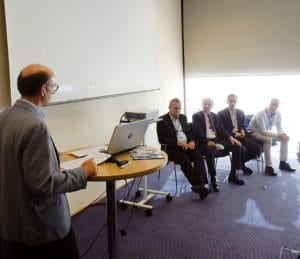
Panellists of the first panel session on Results from 5G Trials, Verticals and Business
Opportunities (from left): Panagiotis Demestichas, University of Piraeus; Jean-Pierre Bienaime,
IREST; Mikko Uusitalo, Nokia; and Michael Meyer, Ericsson.

Panel discussion on 5G trials

Two interesting panel discussions followed the paper sessions. The first one, moderated by Uwe Herzog, focused on results from 5G trials, verticals and business opportunities. The panellists included Dr. Michael Meyer from Ericsson, Dr. Mikko Uusitalo from Nokia, Prof. Panagiotis Demestichas from University of Piraeus, and Mr. Jean-Pierre Bienaime from IREST. The panellists discussed the main conclusions from recent 5G trials, which vertical sectors are the most challenging ones for introducing 5G technologies, and which verticals will be the first to adopt 5G services.

The second panel, moderated by Anastasius Gavras, focused on the challenges for further trialling and beyond 5G research. The panellists included Prof. Riku Jäntti from Aalto University, Prof. Slawomir Kuklinski from Orange, Dr. Ville Miemelä from Unviersity of Oulu, and Dr. Maria Guta from ESA. The panellists shared their opinions on what type of trials are still needed for 5G, what type of experimental infrastructures are needed to support beyond-5G research, and how the 5G infrastructure will be evolved for future services.

Further information

  • Workshop website –
    https://ieee-wf-5g.org/workshop-2nd-workshop-on-5g-trials-from-5g-experiments-to-business-validation/
  • 5G PPP brochure “Trials & Pilots” –
    https://5g-ppp.eu/wp-content/uploads/2019/09/5GInfraPPP_10TPs_Brochure_FINAL_low_single­pages.pdf

Libra Association launched

Libra Association launched

On 15th October 2019, the 21 initial members of the Libra Association formally signed the Libra Association charter in Geneva, Switzerland. In addition, they formalized the Libra Association council, elected the Board of Directors, and appointed members of the Libra Association executive team.

Libra is a planned digital currency, which was proposed by US social media company Facebook on 18 June 2019. The mission of Libra is to provide a simple global currency and financial infrastructure for billions of users, including those without access to the financial system. According to a World Bank report, 1.7 billion people, 31{b28ae05319d94bff0b4d65c5a9f4524dd588360f05c61ef440e1608e0a1c4144} of the global adult population, do not have access to an account at a financial institution or to mobile money. The Libra founders claim to address this problem.

The Libra will be based on blockchain technology, the Libra Blockchain. However, unlike Bitcoin, for example, Libra will not rely on cryptocurrency mining. Only members of the Libra Association will be able to process transactions via the permissioned blockchain. The evolution of the Libra Blockchain will be overseen by the Libra Association, an independent not-for-profit headquartered in Geneva. The association will be responsible for facilitating the operation of the Libra Blockchain and managing the reserve that backs the currency. The Libra Association will consist of geographically distributed and diverse businesses, nonprofit and multilateral organizations, and academic institutions.

Before the first Libra meeting, seven companies which had participated in the Libra discussions had left: Booking Holdings, eBay, Mastercard, Mercado Pago, PayPal, Stripe, and Visa Inc. Since its inception, the project has faced strong criticism. Regulators and politicians criticised that Libra could undermine national sovereignty and the functioning of the global financial system. Privacy advocates have pointed out data protection risks, which could result from Facebook’s involvement via its subsidiary Calibra.

Further information: Libra website – https://libra.org

Third review of EU-US Privacy Shield

On 23rd October 2019, the European Commission published its third annual review report on the functioning of the EU-US Privacy Shield framework, which became operational on 1st ­August 2016.

The Privacy Shield aims to protect the fundamental rights of anyone in the EU whose personal data is transferred for commercial pur­poses to certified companies in the United States. Today there are about 5,000 companies participating in this EU-US data protection framework.

Since the second annual review, there have been a number of improvements in the functioning of the framework, as well as appointments to key oversight and redress bodies, such as the Privacy Shield Ombudsperson. Among the improvements, the third review notes that the US Department of Commerce is ensuring the necessary oversight in a more systematic manner by, for example, carrying out monthly checks of a sample of companies to verify compliance with Privacy Shield principles. Enforcement action has improved with the Federal Trade Commission taking enforcement action related to the Privacy Shield in seven cases. An increasing number of EU individuals are making use of their rights under the Privacy Shield, and the relevant redress mechanisms are functioning well, according to the report.

In spite of the improvements, the Commission recommends concrete steps to better ensure the effective functioning of the Privacy Shield in practice. This includes further strengthening the certification process for companies who want to participate by shortening the time of the certification process; expanding compliance checks, including checks concerning false claims of participation in the framework; and developing additional guidance for companies related to human resources data. The Commission also expects the Federal Trade Commission to further step up its investigations into compliance with substantive requirements of the Privacy Shield and provide the Commission and the EU data protection authorities with information on ongoing investigations.

When the report was published, litigation was pending before the European Court of Justice on EU-US data transfers, which may also have an impact on the Privacy Shield.

Further information:
• Press release – https://ec.europa.eu/commission/presscorner/detail/en/ip_19_6134

• Third Privacy Shield review report – https://ec.europa.eu/info/sites/info/files/report_on_the_third_annual_review_of_the_eu_us_privacy_shield_2019.pdf

Face protection

How to escape facial recognition

Milon Gupta
Eurescom
gupta(at)eurescom.eu

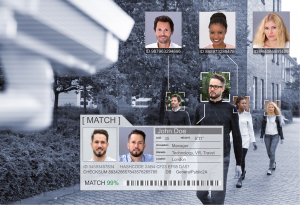
Facial recognition is becoming ubiquitous. That is great news for marketers, policemen and dictators. Privacy-conscious citizens, however, are not amused. They do not relish the prospect of living in a surveillance society, where authorities and tech giants can monitor every step they make. Are there ways to defy surveillance and escape facial recognition? A few innovators have taken up the challenge.


© Adobe Stock

The road to ubiquitous surveillance

Over the past decade, dozens of databases of people’s faces have been compiled globally by companies and researchers. Many of these images are shared around the world, thus spreading the use and effectiveness of facial recognition technology. The databases are built on images from social networks, photo websites, dating services, and cameras placed in restaurants and on campuses.

Facial recognition is already commonplace in China: police scan public spaces for suspects, consumers pay their shopping with their faces, and taxes are paid by face as well. Chinese unicorn start-ups like Megvii, SenseTime, CloudWalk, and Yitu are providing solutions, which contribute to the Chinese government’s goal of becoming global leader in Artificial Intelligence. The solutions are used by the Chinese government to establish complete surveillance of all its citizens.

Although China may be most advanced in the size and scope of using facial recognition, US tech giants like Google, Facebook and Microsoft are pushing the deployment of this technology as well – and so is the US government. US Immigration and Customs Enforcement officials have employed facial recognition technology to scan motorists’ photos to identify undocumented immigrants. And the FBI has used such systems for more than a decade to compare driver’s licenses and visa photos with the faces of suspected criminals, according to a Government Accountability Office report.

Many other countries are quickly adopting facial recognition technology to identify their citizens. In Europe, France is to become the first European country to use facial recognition technology for identifying citizens. The French government is planning to incorporate facial recognition technology into a mandatory digital identity for its citizens.

In November France was to roll out an ID programme called Alicem, an acronym for “certified online authentification on mobile”. The Alicem app reads the chip on an electronic passport and checks its biometric photo with the mobile phone user via facial recognition to validate the identity. Once confirmed, the user can access a host of public services without further checks.

France’s data regulator, CNIL, has warned that the programme breaches the EU’s legal requirement of consent, because it provides no alternatives to facial recognition to access certain services. In addition, there are concerns over data security, as an allegedly secure French government messaging app was hacked earlier in 2019. Sooner or later, it will be hard to find a spot on Earth, where your face is not recognised. More importantly, our faces will be increasingly used as identifiers to withdraw money or pass border controls. This increases the incentives for hackers to steal your digital face and get access to your money and more.

Blocking facial recognition

Are we completely defenceless against facial recognition? An Israeli start-up says ‘No’. The startup called D-ID claims to have developed a new solution which blocks facial recognition. Current solutions like eyeglasses that reflect light to jam cameras or camouflaging your face through make-up and fancy headgear are of limited use for not being recognised. Thus, D-ID has gone in a different direction: they replace human faces with computer-generated faces. The modifications are just enough to escape detection by facial recognition algorithms. If you put the original photo and the manipulated image side by side, the changes are noticeable, but on its own the altered picture appears normal. Their solution, called ‘Smart Anonymization’ can be used for videos and still images.

‘Smart Anonymization’ removes facial images without processing or profiling the subject. It then replaces the images with AI-generated, photorealistic faces of non-existent people. D-ID claims that these anonymised faces make the technology far superior compared to legacy solutions which rely on blurring or pixelation. The anonymized faces preserve key non-identifying attributes of the original face including age, gender, expression, gaze direction and more. According to D-ID, this allows for analytics to be performed while respecting privacy laws and regulations.


© Adobe Stock

Alternatives and open questions

As elegant as D-ID’s solution appears, it is not a panacea for escaping facial recognition. First of all, many people already have unaltered photos of themselves on the Web, which have already been stored and processed in the databases of tech giants and authorities. Second, it is not unlikely that AI-powered facial recognition systems will further advance and either link anonymized faces to real faces in the database or at least mark the manipulated photos as such and deny access.

Recently, a woman from the Chinese city of Wenzhou found out that after plastic surgery, her access to all kinds of services that require facial recognition was blocked. Among others, access to payment services and online shops was denied, because the systems could not identify her anymore. Her doctor recommended that she should just register again on the central identification system. I have no information how that worked out, but at least it meant a lot of hassle for the woman.

What alternatives are there? Some designers have been very imaginative in designing anti-surveillance hijabs, fashionable camouflage, photo-realistic, 3D-printed face masks, and seemingly random patterns printed on shirts to dazzle computer algorithms.

Outside of China, you might get away with such fancy trickery. However, the moment you go through security at an airport, your camouflage will only get you in trouble – instead of an AI system, a flesh-and-blood police officer will identify you.

Does this mean there is no escape from facial recognition and a surveillance society like in China? Not necessarily. Even if technical means may be too limited to fool facial recognition systems, democratic societies offer more potent means to stop tech giants and authorities from spying on us – public debate and legislation. It may take more time than donning a face mask, but it could be more effective in the long run.

Further information: Website of Israeli start-up D-ID – https://www.deidentification.co

Ready for change

How CELTIC-NEXT’s flexibility enables our industry-driven projects to be successful

Valérie Blavette
Orange
blavette(at)celticnext.eu

The ICT landscape is changing rapidly. In order to keep pace, R&D programmes need to adapt to meet the changing needs. In the case of CELTIC-NEXT, I can confidently say that we are up to the challenge, as this year’s successes confirm. At the CELTIC Event in Valencia on 19th June 2019, which was co-located with the EuCNC Event and the Global 5G Event 2019, three projects were awarded for their excellence in the areas of networking technologies (SOOGREEN), applications (E3), and multimedia (4KREPROSYS). The NOTTS project was honoured with the Innovation Award for its outstanding market innovation beyond the project lifespan.

This year has been quite special for our Cluster, as three already awarded CELTIC projects have received in addition EUREKA Awards! In May, SIGMONA was highlighted as EUREKA Global Project of the Year at the EUREKA Global Innovation Summit in Manchester. In September, 4KREPROSYS and E3 each received a EUREKA award at the EUREKA Stakeholder Event in Amsterdam.

These awards for CELTIC projects are the direct consequence of our programme’s flexibility. It allows projects to stay aligned with the quickly evolving technological landscape and the company strategies. CELTIC’s flexibility in combination with the industry-driven character is at the core of our programme. In view of the ongoing initiative for defining the future of Clusters, which has been launched by the current EUREKA chair from the Netherlands, I am convinced that we need to maintain the flexibility and the industry-driven character of our programme in order to stay successful in the future.

The future of Clusters at the EUREKA Stakeholder event

The future of Clusters was a major topic at the EUREKA Stakeholder event in Amsterdam on 4th September. In this context, a central goal was to capture feedback by stakeholders on Clusters and other EUREKA instruments. Representatives from industry and academia shared their views about EUREKA Clusters. In addition, a live survey among the audience on areas of improvement for Clusters was conducted, which showed interesting results. The participants voted that the most essential measures for improving the Cluster programmes should be:

  • Increase availability of funding from countries – 41{b28ae05319d94bff0b4d65c5a9f4524dd588360f05c61ef440e1608e0a1c4144} of participants supported this
  • Simplify the proposal process – 25{b28ae05319d94bff0b4d65c5a9f4524dd588360f05c61ef440e1608e0a1c4144}
  • Have a shorter time to contract – 21{b28ae05319d94bff0b4d65c5a9f4524dd588360f05c61ef440e1608e0a1c4144}
  • Higher visibility of EUREKA Cluster programmes – 9{b28ae05319d94bff0b4d65c5a9f4524dd588360f05c61ef440e1608e0a1c4144}
  • Create cross-technology / cross-Cluster projects – 5{b28ae05319d94bff0b4d65c5a9f4524dd588360f05c61ef440e1608e0a1c4144}

The major improvement factor identified by the stakeholders – availability of funding from countries – is beyond the scope of any structural change within the Clusters. Concerning the other factors, which are to varying degrees influenceable by Clusters, it should be noted that in the case of CELTIC-NEXT part of the proposal process has already been simplified. We have changed from a two-phase proposal submission to a one-phase submission process, which reduces the required time and effort.

My highlights from the Proposers Day in Istanbul

In order to foster new project submissions, CELTIC-NEXT held a proposer’s day in Istanbul on 25th September. There was a keynote by Hakan Çelik, the R&D Design Chief of ISBAK, about the smart city of Istanbul, which I found particularly interesting.

Mr Çelik explained in his presentation that smart cities are a complex and overarching topic. It includes security, smart mobility, governance, energy, living issues, as well as people and NGOs representing them. According to Mr Çelik, the ultimate goal of smart cities is to improve quality of life and enable better sustainability.

Another highlight was a panel on the business impact of Celtic projects, which was moderated by Işıl Özkan from Turkcell. Representatives of Vestel, Argela, NETAS and ISBAK shared their experiences on the benefits of a number of CELTIC projects in which they were involved, including CONVINCE, TILAS, H2b2Vs, SIGMONA, VIRTUOSE, and COMOSEF. The panellists emphasized the flexibility of CELTIC as a key success factor.

Finally, in the pitching sessions 12 interesting new project ideas were presented, in order to find additional partners for project proposals to be submitted in October or at our spring call next year.

Across the various CELTIC-NEXT Proposers Days in 2019, a total of 52 project pitches were presented, which indicates how attractive our Cluster is to industry and academia in Europe and beyond.

Plans for call on Artificial Intelligence

One of the hottest topics is currently Artificial Intelligence (AI). A number of countries have expressed their interest in a synchronised AI call between CELTIC-NEXT and most of the other EUREKA Clusters. Among the interested countries are Spain, UK, Turkey, Germany, Sweden, Finland, Canada, Denmark, Netherlands, Austria, South Korea, and Hungary as well as the Belgian regions Flanders, Brussels, and Wallonia. Some other countries may join this AI initiative later.

We aim to organise this synchronised AI call in June 2020 in addition to the usual CELTIC-NEXT bottom-up calls. Keep checking our website (www.celticnext.eu)and social media channels for updates.

Conclusion

My first year as CELTIC chairperson has been exciting. It has shown me that it is important for our programme to embrace change. And it has shown me at the same time how important it is to adhere to the key principles of CELTIC – flexibility and the industry-driven character of our programme. Based on this, I am confident that CELTIC will continue to thrive in a changing landscape. And as this year’s inter-Cluster spokesperson I may add that EUREKA Clusters as a whole will keep playing an important role in generating value for industry and citizens in Europe and beyond.

The ICT landscape is changing rapidly. In order to keep pace, R&D programmes need to adapt to meet the changing needs. In the case of CELTIC-NEXT, I can confidently say that we are up to the challenge, as this year’s successes confirm. At the CELTIC Event in Valencia on 19th June 2019, which was co-located with the EuCNC Event and the Global 5G Event 2019, three projects were awarded for their excellence in the areas of networking technologies (SOOGREEN), applications (E3), and multimedia (4KREPROSYS). The NOTTS project was honoured with the Innovation Award for its outstanding market innovation beyond the project lifespan.

This year has been quite special for our Cluster, as three already awarded CELTIC projects have received in addition EUREKA Awards! In May, SIGMONA was highlighted as EUREKA Global Project of the Year at the EUREKA Global Innovation Summit in Manchester. In September, 4KREPROSYS and E3 each received a EUREKA award at the EUREKA Stakeholder Event in Amsterdam.

These awards for CELTIC projects are the direct consequence of our programme’s flexibility. It allows projects to stay aligned with the quickly evolving technological landscape and the company strategies. CELTIC’s flexibility in combination with the industry-driven character is at the core of our programme. In view of the ongoing initiative for defining the future of Clusters, which has been launched by the current EUREKA chair from the Netherlands, I am convinced that we need to maintain the flexibility and the industry-driven character of our programme in order to stay successful in the future.

On the road to future networks

CELTIC Event in Valencia

This year’s CELTIC Event took place in Valencia, Spain on 19th to 20th June. It was co-located with EuCNC, the European Conference on Networks and Communications, which gave CELTIC-NEXT additional attention among the 5,000+ EuCNC participants. The CELTIC Event consisted of a conference with award ceremony on day 1 and sessions for project proposers on day 2. In parallel, 15 selected CELTIC projects showed their results in the exhibition at the Valencia Conference Centre. One of the highlights of this year’s event was the emergency communication demo at the harbour of Valencia, which was performed by CELTIC project UNICRINF.
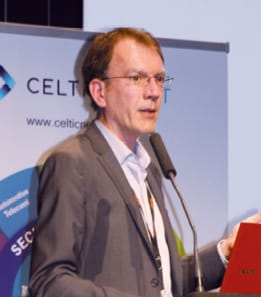
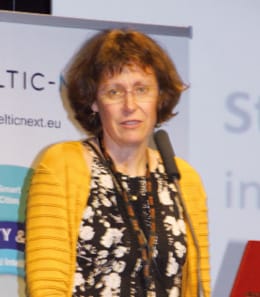
                          
Eric Hardouin, Ambient Connectivity Research      Valérie Blavette, chairperson of CELTIC-NEXT, Director at Orange

Keynotes and SME success story

In the first keynote, Eric Hardouin, Ambient Connectivity Research Director at Orange, presented a vision of future networks. He emphasised that beyond performance aspects, research on future networks has to address a number of additional challenges, including trust and resilience in multi-tenant environments, EMF-aware transmissions, the efficiency of energy and natural resource usage as well as digital inclusion. He pointed out that there is still a lot of research needed to deliver the full 5G potential. According to Mr Hardouin, the exploding complexity of networks due to multiple requirements for optimisation calls for system-level solutions.

In the second keynote, Diego R. Lopez from Telefónica I+D shared his insights on the application of Artificial Intelligence (AI) to network transformation for nurturing the Smart Network. According to Mr Lopez, such a network should be smart in all senses, i.e. fast, simple to use, easy to tune, and above all, intelligent in order to make the network scalable, adaptable, multi-purpose, and suitable for integration.

The third speaker, Steny Solitude from French SME Perfect Memory, shared the story of his company’s success, which is closely linked to its participation in CELTIC projects. Perfect Memory has created an innovative digital asset management (DAM) solution based on results by CELTIC projects MediaMap and MediaMap+.
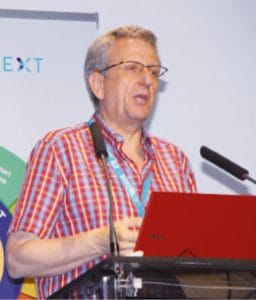
                                  
Steny Solitude from French SME Perfect Memory                     Diego R. Lopez from Telefónica I+D

In the second keynote, Diego R. Lopez from Telefónica I+D shared his insights on the application of Artificial Intelligence (AI) to network transformation for nurturing the Smart Network. According to Mr Lopez, such a network should be smart in all senses, i.e. fast, simple to use, easy to tune, and above all, intelligent in order to make the network scalable, adaptable, multi-purpose, and suitable for integration.

The third speaker, Steny Solitude from French SME Perfect Memory, shared the story of his company’s success, which is closely linked to its participation in CELTIC projects. Perfect Memory has created an innovative digital asset management (DAM) solution based on results by CELTIC projects MediaMap and MediaMap+.

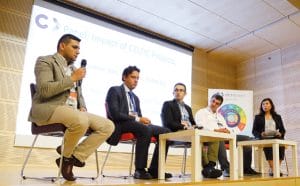
Panel on impact of CELTIC projects

After the opening keynote, the audience witnessed a lively panel session on the impact of CELTIC projects, which was emceed by David Kennedy, director of Eurescom. The five panellists represented six CELTIC projects: 4KREPROSIS – Marco Mattavelli, EPFL, Switzerland; flagship project SENDATE – Emmanuel Dotaro, Thales, France; NOTTS and MONALIS – Antonio Cuadra Sanchez, INDRA, Spain; SIGMONA – José Costa Requena, Cumucore, Finland; and UPSC – Isil Ozkan, Turkcell, Turkey.

Not surprisingly, all five panellists concluded that the industry-driven and close-to-market projects under CELTIC allowed their organisations to reap immediate benefits in terms of accelerating market innovations, sustained competitiveness, and a profound increase of their knowledge base and international business connections. The type and scope of these impacts varied widely, due to the fact that the panellists represented on the one hand large companies like Thales or Turkcell and on the other hand SMEs like Cumucore.
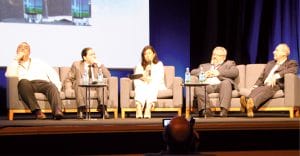

Panellists discussing the impact of CELTIC projects (from left):
José Costa Requena, Cumucore; Antonio Cuadra Sanchez, INDRA;
Emmanuel Dotaro, Thales; Işıl Özkan, Turkcell; Marco Mattavelli, EPFL

CELTIC Awards

The first day of the CELTIC Event ended with a highlight – the CELTIC Awards. Four CELTIC projects won the CELTIC Award for their outstanding work. Three of these projects were awarded for their excellence in the areas of networking technologies, applications, and multimedia. The fourth was honoured with the Innovation Award for its outstanding market innovation beyond the project lifespan. The awards were presented to representatives of the winning projects by CELTIC-NEXT chairperson Valérie Blavette and handed over by Juana Sanchez from CDTI, the representative of the Public Authority in Spain.
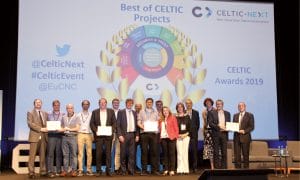
Excellence Award for Multimedia:

4KREPROSYS – 4K ultraHD TV wireless REmote PROduction SYStems

The project partners have been very successful in their specialized video production ecosystem. The business relevance of the developed 4KREPROSYS solution has been evaluated as very high. The successful involvement in major events like the FIFA World-Cup 2018 underlines the competitiveness of the solutions brought forward by the project.

Coordinator: Dominique Grillet, AMP Visual TV
Duration: December 2014 – June 2018
Project Video – https://youtu.be/NNvWkSVlpHo
Website – https://www.celticnext.eu/project-4kreprosys
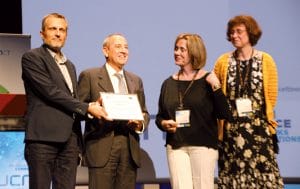

François Valadoux, AMP Visual TV, France and Marco
Mattavelli, EPFL, Switzerland, from 4KREPROSYS;
Juana Sanchez, CDTI, Spain; and Valérie Blavette,
CELTIC-NEXT Chairperson  

Excellence Award for Network ­Technologies: SOOGREEN – Service-oriented optimization of Green mobile networks

SooGreen’s main objectives were to reduce the energy consumption of services and to improve the mobile network architectures and content delivery, taking advantage of the smart grids by using a holistic approach at the level of network components, architecture, management and control. The project has addressed the need to reduce the energy consumption of services in different mobile network architectures, focusing on topics like modelling and measurement of services ­energy consumption in mobile networks; ­dynamic optimization in access; energy-efficiency aspects of emerging virtual and cloud RAN architectures; and interaction between service delivery in mobile networks and smart grids.

Coordinator: Dominique Bodere, Orange
Duration: July 2015 – November 2018
Project Video – https://www.youtube.com/watch?v=rVZfvAaHUIA&t=47s
Website – https://www.celticnext.eu/project-soogreen
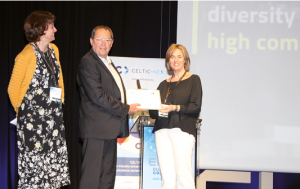

Valérie Blavette, CELTIC-NEXT Chairperson; Dominique
Bodere, SOOGREEN Project Coordinator from Orange,
France and Juana Sanchez from CDTI, Spain (from left)

Excellence Award for Applications:

E3 – E-health services Everywhere and for Everybody

E3 designed and implemented an end-to-end platform to make e-health services available in both rural and urban areas, to patients and professionals. E3 used and extended the results from the awarded CELTIC project HIPERMED. E3 developed the HIPERMED results further by addressing other communication types and compression techniques. In addition, E3 extended the type of scenarios by testing the developments in 15 healthcare scenarios, which were validated by doctors and professors who tested the platform results.

Project Coordinator: Oscar Chabrera Villarreal, ViLynx Spain S.L.U.
Duration: December 2014 – June 2018
Project Video – https://www.youtube.com/watch?v=X7_fH8wUQDw
Website – https://www.celticnext.eu/project-e3
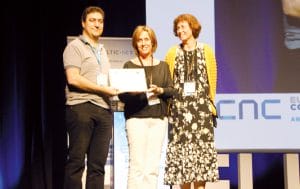

E3 project coordinator Oscar Chabrera from Vilynx, Spain
and Juana Sanchez from CDTI, Spain, and Valérie Blavette,
CELTIC-NEXT Chairperson

Innovation Award:

NOTTS – Next generation Over-The-Top multimedia Services

The project had developed a sustainable integrated solution to guarantee the OTT content delivery from the customer’s perspective for the whole content distribution chain. The main activities included new media distribution architectures for OTT contents, and novel methods for Quality of Experience (QoE) estimation. NOTTS technology has supplied European content providers, service providers and telecoms network operators with new technologies that allow increasing revenue from new OTT business models.

Project Coordinator: Antonio Quadra Sanchez, INDRA Spain
Duration: May 2013 – 31 March 2016
Project Video – https://www.youtube.com/watch?v=UmQn2o-7Ak4
Website – https://www.celticnext.eu/project-notts
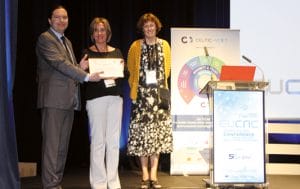

NOTTS Project Coordinator Antonio Quadra Sanchez from
INDRA Spain, Juana Sanchez from CDTI, and Valérie Blavette,
CELTIC-NEXT Chairperson

Exhibition

In the EuCNC exhibition area, 15 commercially important CELTIC projects presented their results. Visitors had the chance to experience first-hand prototypes of solutions which have been developed in the selected CELTIC projects. The demos allowed visitors to experience the technological progress made by those projects in an interactive and playful way.
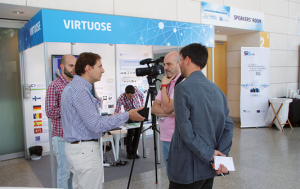

Exhibition – High media interest in CELTIC projects, here the VIRTUOSE project

Live emergency demo at the harbour

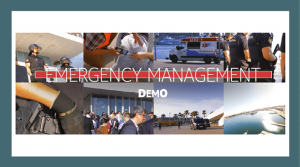
Shortly before the EuCNC social event on 18th June, CELTIC project UNICRINF showcased a live emergency demo at the Port of Valencia. The demo attracted a large number of visitors who witnessed how the UNCRINF solution enabled the communication between emergency teams on land, in the air, and at sea.
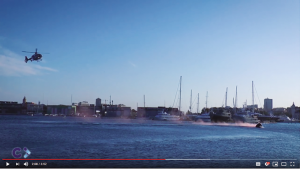
 

The video of the live demo is available on the CELTIC YouTube channel at https://youtu.be/b2wFQ6eB6Zo

See also the article about UNICRINF in this edition of CELTIC News.

Sessions for proposers

The sessions on the second day were dedicated to helping proposers learn about making a good proposal for the upcoming autumn call in October and finding the right partners for their consortium. In the first session, CELTIC Office Director Peter Hermann presented best practices for proposers and explained how to set up a successful CELTIC project. The ensuing round-table with representatives of Public Authorities provided practical information on funding and research topics in different EUREKA countries.

The afternoon was dedicated to project idea pitches and networking. This offered ample opportunities for meeting other experts from the ICT community to discuss emerging R&D needs and proposals for related collaborative projects. Session moderator Christiane Reinsch, Programme Coordinator at the CELTIC Office, introduced 17 new project ideas. This was followed by proposers, who pitched their innovative project ideas for the upcoming CELTIC call in short elevator pitches. The CELTIC Event ended with open networking and bilateral discussions between proposers and representatives of Public Authorities.

Further information

CELTIC Event 2019 page – https://www.celticnext.eu/event/celtic-event-co-located-with-­eucnc-19-20-june-in-valencia-spain/
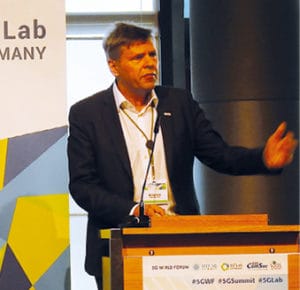
EUREKA Awards for CELTIC Projects 4KREPROSYS and E3

EUREKA Stakeholder Conference in Amsterdam

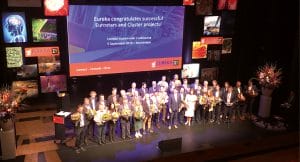
At the EUREKA Stakeholder Conference in Amsterdam on 5th September 2019, the CELTIC projects 4KREPROSYS and E3 were among the happy winners of the prestigious EUREKA Awards. The EUREKA Awards were presented on the main stage of the DeLaMar Theater by Odilia Knap, Chairwoman of the EUREKA Network.

Three months earlier, in June 2019, both projects had already received CELTIC Excellence Awards at the CELTIC Event in Valencia – 4KREPROSYS for excellence in multimedia and E3 for excellence in the applications domain.

EUREKA Award Winnner 4KREPROSYS

4KREPROSYS (4K ultraHD TV wireless REmote PROduction SYStems) investigated and developed a new integrated cost-effective approach for the production of 4K TV content. The goal was to cover a wide range of 4K TV production needs, from indoor studio production to large outdoor events, such as Olympic Games, cycling, and car races. 4KREPROSYS was involved in major events like the FIFA World Cup 2018, which underlines the high relevance of the project’s solutions.

The project consortium included: AMP VISUAL TV (coordinator), France; WorldLinX Alliance NV, Belgium; Siru, Finland; Supponor Oy, Finland; TUT-Tampere University of Technology, Finland; INSA de Rennes (IETR), France; Kalray, France; NuLink SA, Switzerland; European Broadcasting Union (EBU), Switzerland; EPFL – Ecole Polytechnique Fédérale Lausanne, Switzerland.

4KREPROSYS website: https://www.celticnext.eu/project-4kreprosys

EUREKA Award Winnner E3

E3 (E-health services Everywhere and for Everybody) designed and implemented an end-to-end platform which enables patients and professionals in both rural and urban areas to cost-effectively access e-health services based on high-quality video conferencing technology. The platform was successfully tested in 15 healthcare scenarios and validated by doctors and professors.

The project consortium included: ViLynx Spain S.L.U., Spain; Calboquer S.L., Spain; IDI EIKON, Spain; SeniorSome Oy, Finland; eHOIVA Palveluverkko Oy, Finland; Institut Mines Télécom, France; Université de Lorraine, France; Vitec Multimedia, France; Poznań Supercomputing and Networking Center, Poland; Galaksiya Bilisim Teknolojileri, Turkey; SoSoft, Turkey; Vestel Electronics, Turkey.

E3 website: https://www.celticnext.eu/project-e3

Proposal Pitching in Turkey

CELTIC-NEXT Proposers Day in Istanbul

Maria Barros Weiss
CELTIC Office at Eurescom
barros(at)celticnext.eu

The CELTIC-NEXT Proposers Day in Istanbul on 25th September highlighted the strong interest of the Turkish RDI community in building international partnerships. The audience witnessed inspiring presentations, engaged in interesting discussions, and learned about twelve new interesting proposal ideas.

The event took place at the Istanbul Technology University. It was organized by CELTIC-NEXT and the Turkish Public Authority TÜBİTAK with the support of Sabancı University and Enterprise Europe Network. The programme consisted of interesting keynote speeches, practical information about the CELTIC-NEXT programme and the national funding programmes in Turkey and Spain, a lively panel discussion about the business impact of CELTIC projects, and a session for project proposal pitches.

In the morning, Mr. Tarık Şahin from TÜBİTAK, Ms. Valérie Blavette, CELTIC Chairperson from Orange, and Mr. Rıza Durucasugil, CELTIC Vice-chair from NETAŞ, opened the event and welcomed the participants. After the opening, Ms. Fatma Kesik from Sabancı University presented the opportunities of the Enterprise Europe Network. In the following keynote speech by Mr. Mustafa Eruyar from ISBAK, he shared the future vision of smart cities and presented exemplary scenarios and use cases from the city of Istanbul.

The Public Authority representatives, Mr. Tarık Şahin from Turkey and Ms. Juana Sánchez Pérez from CDTI in Spain, highlighted their support of the CELTIC-NEXT programme and presented the funding opportunities in Turkey and Spain. Guidelines and recommendations on how to submit a CELTIC-NEXT project proposal were presented as well.


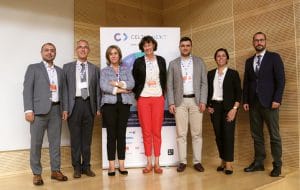
Speakers and organisers of the Proposers Day (from left): Hakan Çelik from ISBAK, Rıza Durucasugil, Vice-chair
of CELTIC Core Group from NETAŞ, Juana Sánchez Pérez from CDTI (Spanish Public Authority), Valérie Blavette,
CELTIC Chairperson from Orange, Mustafa Eruyar from ISBAK, Maria Barros Weiss, CELTIC Office at Eurescom,
and Umut Ege from TÜBİTAK (Turkish Public Authority)

Panel discussion

The ensuing panel discussion was moderated by Ms. Işıl Özkan, CELTIC Core Group Member from Turkcell, and focused on the business impact of CELTIC projects. In the discussion, Mr. Burak Görkemli from Argela mentioned the importance of international collaboration and referred to the projects his company has been involved in, namely TILAS, H2b2Vs and SIGMONA.

Mr. Yaşar Burak Savak, from Vestel Electronics, stressed the impact created by awards, based on the example of CELTIC and EUREKA awards received by the E3 project. Mr. Mehmet Dağlı, from NETAŞ presented the impact of the VIRTUOSE project on the different organizations in the consortium, referring to the patent submissions, prototypes and field trials. He also mentioned new and improved products implemented by the project. In addition, he highlighted a start-up on cloud gaming created in Spain, which uses the video encoders implemented in the project. Mr. Mustafa Eruyar from İSBAK stressed the importance not only of the impact on business but also on the quality of living, highlighting results of CELTIC projects like COMOSEF. The social impact created through the services offered by the projects to the public was also recognised during the discussions.

The panellists also discussed challenges of CELTIC projects and international collaborations in general, like for example the size of the consortium or dealing with the requirements of multiple funding agencies. They also pointed out the contradiction between agile processes and short deadlines used by many companies and the long deadlines of project proposals, which are hard to reconcile. Many times the companies’ strategies change during the long duration of project set-up and implementation, which could become a risk for projects.

They mentioned leadership roles in CELTIC-NEXT as beneficial for the organizations, and they especially appreciated the bottom-up character of the programme, which they considered to be a big advantage for the alignment of project work with the companies’ strategies. The impact of project collaborations for academia was also stressed, as well as the importance of having academic partners in projects, proven for instance by the 110 high-quality papers published by CELTIC projects SIGMONA, H2B2VS, and TILAS combined.

Timely technology and quality of the project implementation, as well as a strong coordination and valid use cases were factors indicated as crucial for the success and business impact of the projects.

Proposal pitches and networking ­session

During the proposal presentations session, twelve potential project ideas were presented to the audience, covering topics like 5G, artificial intelligence, big data, IoT, blockchain, automation, and others. The proposed applications of such technologies ranged from a wide spectrum of vertical industries, such as banking, supply chains, self-driving vehicles, assisted living, smart energy, and smart agriculture, just to name a few. The interest of the audience in the project ideas was demonstrated not only by the full room, but also through the lively networking session at the end and the interactions among the event participants and feedback to CELTIC and Public Authority representatives.

Outlook

The Proposers Day in Istanbul was part of a series of events co-organised by CELTIC-NEXT to support interested proposers in finding collaboration partners and building international project consortia. Besides the several proposers days organized in different EUREKA/CELTIC countries, CELTIC also offers Proposers Sessions via web-conference. The pitch presentations presented during all the proposers days or sessions are available for download on the CELTIC-NEXT website.


Panel on the business impact of CELTIC projects (from left): Mustafa Eruyar, İSBAK, Mehmet Dağlı, NETAŞ,
Burak Görkemli, Argela, Yaşar Burak Savak, Vestel Electronics, and moderator Işıl Özkan, CELTIC Core Group
Member from Turkcell.

› Further information

  • How to get involved – https://www.celticnext.eu/how-to-get-involved/
  • Proposal pitches presented at the Proposers Day in Istanbul – https://www.celticnext.eu/pitch-presentations-from-proposers-day-in-istanbul/
  • Join new project ideas – https://www.celticnext.eu/join-new-project-ideas

Universal Critical Infrastructure

CELTIC project UNICRINF

Maria Luisa Arranz
Nokia Spain
Maria_Luisa.Arranz_Chacon(at)nokia.com

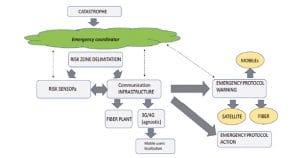
Major catastrophes demand efficient coordination and control of resources in order to ensure people’s safety. In the era of 5G and IoT, networks and applications play a fundamental role in monitoring and decision making in all areas involved. CELTIC project UNICRINF plans to use the available communications infrastructures to create a global integrated platform to monitor catastrophes, create ad-hoc communication infrastructures, communicate with emergency teams, and advise citizens.

Areas involved in a major catastrophe include emergency services, affected people, hospital resources, communications networks, infrastructure, and more. The fundamental objective during an emergency situation is the safety of the people. Technology should help and allow information to flow smoothly between all people involved.


Emergency scenarios and application domains

Emergencies come in different shapes – it could be an earthquake, a tsunami, a flood, a volcanic eruption, a toxic explosion, or a big fire. What all these disasters have in common is that they can compromise communications, which is vital for emergency services and affected people.

However, communications must also include the monitoring of the affected infrastructures, the contact with the people within the affected area regardless of the operator that serves them, the warning of the nearby population by all means available with action guidelines or the evacuation route of victims and available resources.


The UNICRINF project aims to facilitate effective disaster communication solutions covering a variety of scenarios and use cases, including:

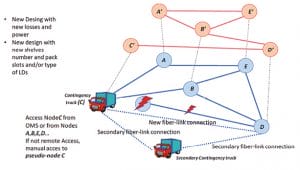
  • Helping to up the part of the optical trunk network using a contingency truck that replaces the affected node as well as the priority services.
  • Updating a local 5G or 4G VPN network using small cell or portable nodes
  • Facilitating access to the internet and external servers through an ad-hoc satellite connection
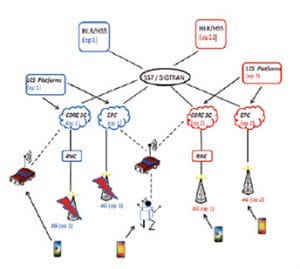
  • Performing a national pseudo roaming in order to have the affected people listed and located in the affected area regardless of the operator that serves them

Currently not even the geolocation is available in 112 calls as well as the broadcast of the same service.

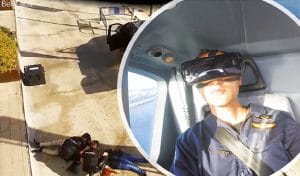
  • Allowing the transmission and reception of images taken by unmanned aerial, land or sea drones, both to the control centre and to people on the ground through augmented-reality glasses
  • Multiscreen display in the control centre of the state of physical, human and image resources
  • Control of victims with digital triage and allocation of vehicular and hospital resources with online monitoring
  • Traffic control by emergency services for greater fluidity in the evacuation of people and victims
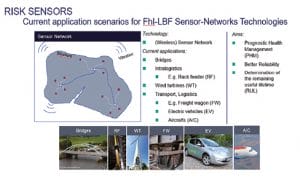
  • Monitoring and control of damaged infrastructure and possible toxic spills (air or sea) through IoT sensors
  • Notice to the population of the affected area with action guidelines or evacuation orders

Information for emergency decisions

For correct decision making in an emergency situation, the state of the communications network, the acquisition of data and its ­presentation in a user-friendly way are important. Applications that facilitate the co­ordination and control of resources should be included and handled in a simple way. The collection and processing of data from sensor networks must be able to be filtered according to programmable criteria. There are many areas where current information to facilitate the resolution of problems from the control centre is required.


› Further information

  • UNICRINF project page – https://www.celticnext.eu/project-unicrinf/
  • Video of emergency communication demo – https://youtu.be/b2wFQ6eB6Zo
  • Previous
  • 1
  • 2

5Copyright © 2025 by Eurescom

 
  • Corporate Information
  • Data Protection Declaration
  • Terms of Use
  • Corporate Information
  • Data Protection Declaration
  • Terms of Use